What Size Small Pilates Ball Suits Beginners and Rehab Work?
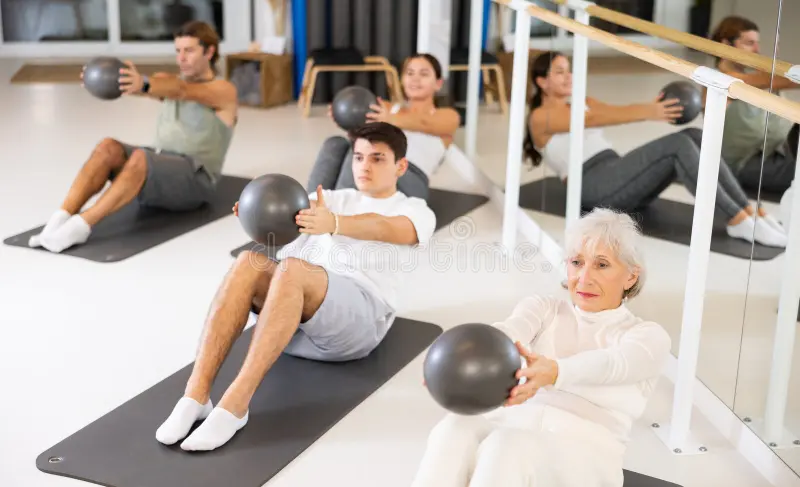
Choosing a small Pilates ball sounds simple, but size changes everything: comfort, control, and how safely they can load hips, spine, and shoulders. For Australians buying online or from a local studio, the sweet spot is usually one size, but there are clear exceptions.
This guide explains what size small Pilates ball suits beginners and rehab work using practical cues, common Aussie equipment options, and simple at-home checks.
What size small Pilates ball suits beginners and rehab work most of the time?
For most people, what size small Pilates ball suits beginners and rehab work is 23 cm (9 inch). It is large enough to support the body without wobbling too much, and small enough to place behind the back, between knees, or under the pelvis.
In Australian studios and physio-led mat classes, 23 cm is the most commonly programmed size for general beginners and mixed-ability rehab.
Why does ball size matter for stability and confidence?
A larger ball usually feels steadier, while a smaller ball demands more control. That control can be useful, but it can also overload a sore back, hip, or shoulder if they are not ready.
For what size small Pilates ball suits beginners and rehab work, the goal is “stable enough to relax into alignment” rather than “so unstable they brace and grip.”
When is a 20 cm ball the better choice?
A 20 cm ball can suit smaller bodies, shorter legs, or anyone needing a lower profile under the pelvis or lumbar spine. It is also handy for targeted inner-thigh work where a bigger ball feels awkward.
If they are deciding what size small Pilates ball suits beginners and rehab work for petite users, a 20 cm ball can be a better first buy than forcing a larger ball into positions that feel too high.
When is a 25–26 cm ball the better choice?
A 25–26 cm ball can help taller users or those who feel a 23 cm ball “disappears” under their body. It can also feel more supportive for thoracic opening and gentle extension work when placed behind the mid-back.
For people asking what size small Pilates ball suits beginners and rehab work because they want more comfort and less wobble, sizing up to 25–26 cm can be a smart move, especially early on.
How can they choose the right size by height and build?
Height is a helpful guide, not a rule. As a starting point for Australians shopping online:
- Under ~160 cm: consider 20–23 cm
- ~160–175 cm: 23 cm usually fits best
- Over ~175 cm: 23–26 cm depending on comfort and task
If they are still unsure what size small Pilates ball suits beginners and rehab work, they should prioritise the exercises they will actually do, not just their height.
What quick at-home tests confirm the size is right?
They can sanity-check size in two minutes:
- Between-knees test (supine): knees hip-width, ball between knees. They should feel light adductor engagement without hips hiking or feet shifting.
- Behind-lower-back test (wall): ball at lumbar curve, gentle squat. It should support a natural curve without forcing an arch.
- Under-pelvis test (bridge prep): ball under sacrum. Pelvis should feel supported, not tipped hard forward.
If these feel strained, it is a hint the size is off for what size small Pilates ball suits beginners and rehab work.
Which exercises tend to need a specific size?
Different placements respond better to certain sizes:
- Between knees/ankles: 20–23 cm often feels cleaner
- Behind the low back: 23–26 cm usually feels more supportive
- Under the sacrum/pelvis: 20–23 cm for smaller frames; 23–26 cm for taller frames
- Behind mid-back (thoracic): 23–26 cm typically feels safer
This is why what size small Pilates ball suits beginners and rehab work depends as much on placement as it does on the person.
How does rehab change the sizing decision?
Rehab usually needs more predictable support and less “surprise movement.” A too-small ball can create excessive instability and bracing, which is the opposite of what many physios want early on.
For what size small Pilates ball suits beginners and rehab work in early-stage rehab, 23 cm is often the safest baseline, then they can adjust later once control and tolerance improve.
What size works best for lower back pain in mat Pilates?
Many people with low back pain do best with 23 cm behind the lumbar spine or under the pelvis, because it supports without overextending. A 20 cm ball can be fine, but it may not provide enough surface area for some bodies.
If they are choosing what size small Pilates ball suits beginners and rehab work for back comfort, they should look for “supported neutral spine,” not a bigger arch.
What size works best for hip and knee rehab?
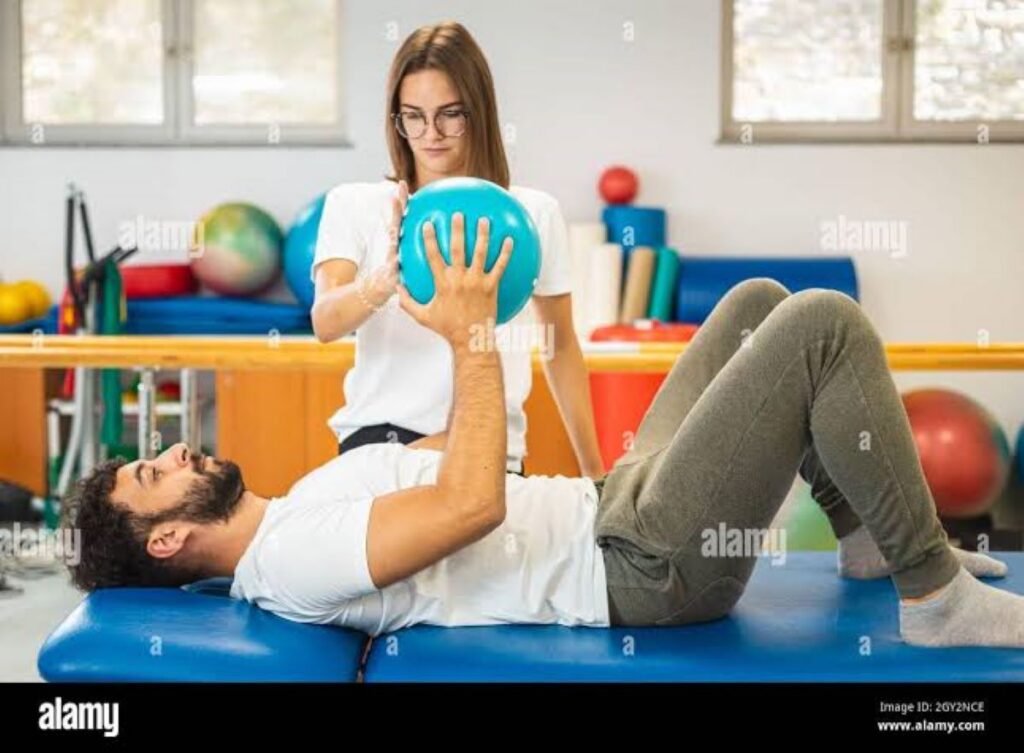
For hip and knee-focused rehab, ball size often comes down to comfort between the legs and how much squeeze is required. A 20 cm ball can reduce excessive hip abduction or awkward knee angles for smaller frames.
For many Australians doing home programs, what size small Pilates ball suits beginners and rehab work for hip and knee rehab is still 23 cm, with 20 cm as the common alternative.
What size works best for shoulder and upper back rehab?
Upper-body rehab often uses the ball for feedback rather than heavy loading, such as supporting the thoracic spine or guiding rib position. A 23–26 cm ball can be more comfortable behind the mid-back, especially on firmer floors like timber or tile common in Aussie homes.
If the question is what size small Pilates ball suits beginners and rehab work for upper back opening, a slightly larger ball often feels safer and less pokey. Check out more about Construction systems.
Should they buy one ball or two different sizes?
If they want only one, 23 cm is the most versatile and easiest to follow in class videos. If they are committed to rehab and want better fit across placements, buying two sizes can be worth it.
A practical combo is 20 cm + 23 cm or 23 cm + 26 cm, depending on whether they need smaller placement options or more supportive back work. This can simplify what size small Pilates ball suits beginners and rehab work when one size keeps feeling “almost right.”
What firmness should they choose in Australia?
Most balls sold locally are inflatable, and firmness matters as much as diameter. Overinflated balls feel slippery and unstable; underinflated balls feel squishy and can strain wrists or knees as they collapse.
For what size small Pilates ball suits beginners and rehab work, they should inflate until it has give when pressed, but still holds shape under body weight. In warm Australian weather, they should recheck pressure because heat can increase firmness.
Are there common buying mistakes to avoid?
Yes, and they are easy to make online:
- Buying a “yoga ball” instead of a small Pilates ball
- Not checking the diameter is listed in cm or inches
- Assuming bigger is always easier
- Inflating hard like a football, then blaming “the size”
When they get the basics right, what size small Pilates ball suits beginners and rehab work becomes much clearer within the first session.
How do they match the ball to home flooring and space?
Hard floors (tiles, polished boards) make small pressure points feel sharper, so a 23–26 cm ball can feel more comfortable behind the spine. Carpet can make a smaller ball feel less intrusive, but also slightly less stable because the ball can sink.
If they are working in a small apartment or doing telehealth physio, choosing what size small Pilates ball suits beginners and rehab work should include where they will place it most often.
What should they do if the ball feels too big or too small?
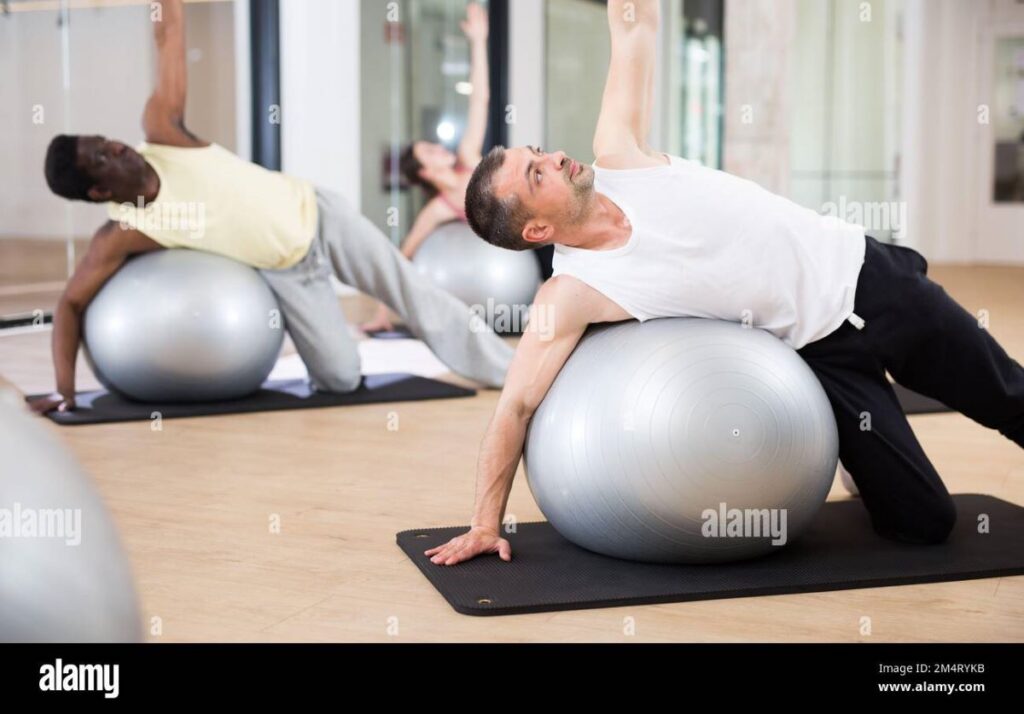
If it feels too big, they can slightly deflate first, then reassess placement. If it still forces joints into awkward angles, they likely need a smaller diameter.
If it feels too small, inflating fully may help, but if it still “vanishes” under the body and fails to give feedback, they likely need 23–26 cm. This is the quickest way to troubleshoot what size small Pilates ball suits beginners and rehab work without buying again.
So, what size should they pick first?
If they want the simplest answer, 23 cm is the best first choice for most Australians. It suits common mat Pilates programming, beginner technique work, and a wide range of gentle rehab placements.
If they are petite or need lower-profile positioning, 20 cm can be better. If they are tall or want more back support, 25–26 cm can be the more comfortable option. The right decision comes back to what size small Pilates ball suits beginners and rehab work for their body, their exercises, and their home setup.
Related : How Does a Pilates Ball Change Core Activation During Simple Exercises?