How Does a Pilates Ball Change Core Activation During Simple Exercises?
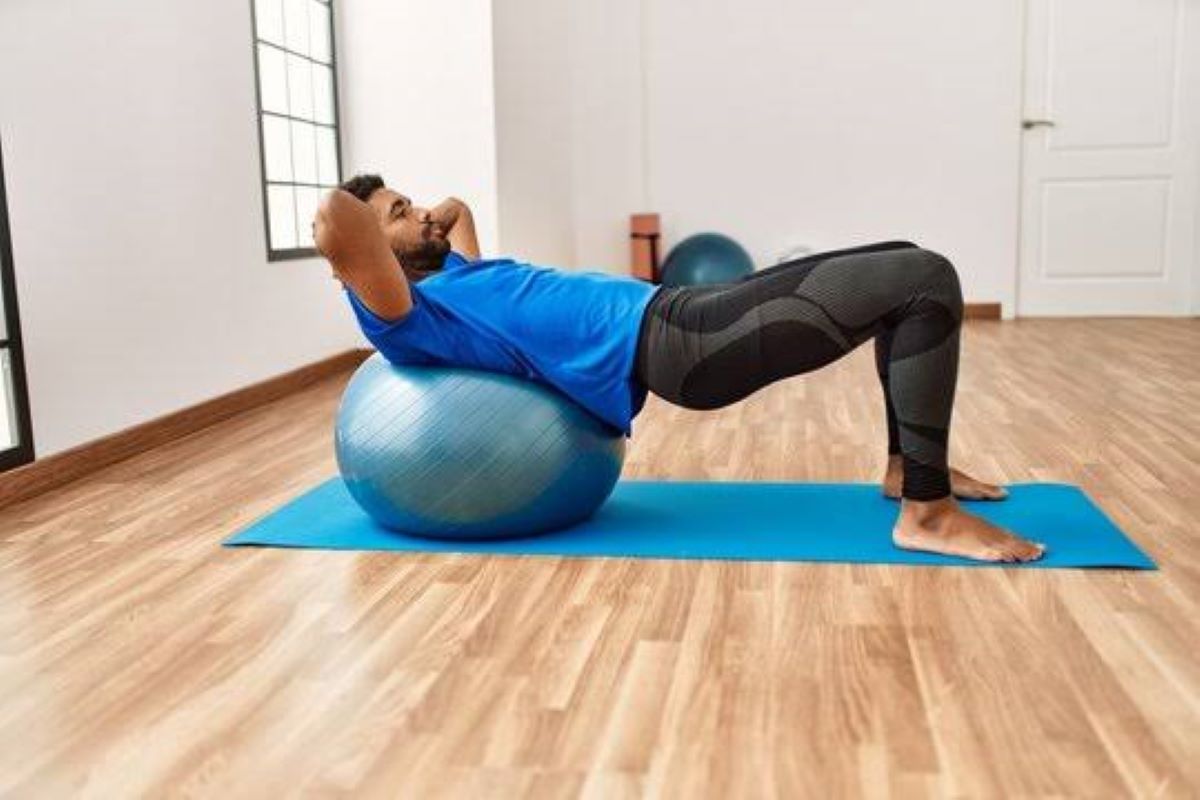
A Pilates ball changes core activation by adding an unstable surface that encourages deeper, more consistent engagement of the trunk muscles. In Australian studios and home setups alike, it is often used to increase feedback, improve alignment, and make “easy” moves demand more control.
Used well, it helps people feel where the work should be, especially through the lower abdominals, pelvic floor, and obliques.
What is core activation, and why does it matter in simple exercises?
Core activation is the coordinated tension and timing of muscles that stabilise the spine and pelvis while they move. It matters in simple exercises because small mistakes in control can shift load into the lower back, hip flexors, or neck.
When an exercise looks basic, many people in Australia still compensate without realising. The goal is not “bracing hard,” but building steady support while breathing and moving smoothly.
How does a Pilates ball increase core activation compared to the floor?
A Pilates ball increases core activation by introducing instability that the body must constantly correct. Even slight wobble prompts reflexive engagement through the deep core to keep the pelvis and ribcage organised.
On the floor, people can sometimes “hide” in a stable base. With a Pilates ball, the body gets instant feedback: if they lose alignment, the ball shifts, and their trunk has to respond.
Which muscles work harder when a Pilates ball is added?
A Pilates ball tends to increase demand on the transversus abdominis, internal obliques, pelvic floor, and multifidus because these muscles manage subtle stabilisation. It can also increase glute medius involvement when the ball changes hip position.
If the ball is placed poorly, superficial muscles like hip flexors, rectus abdominis, or upper traps can dominate. That is why cueing and setup matter as much as the prop.
Why does instability change recruitment patterns during simple exercises?
Instability changes recruitment patterns because the nervous system prioritises balance and control over force. Instead of one big muscle doing most of the work, the body spreads effort across stabilisers to reduce sway.
This is the main reason a Pilates ball can make a short set feel intense. The movement stays small, but the corrections never stop.
How does a Pilates ball affect breathing and pressure management?
A Pilates ball can improve pressure management by encouraging better ribcage position and a more responsive deep core. When they coordinate breath with movement, many people feel stronger without gripping.
If they hold their breath to “stabilise,” pressure can spike and the lower back may tighten. Coaches across Australia often cue a steady exhale on effort to help the abdominals support without flattening the breath.
What setup details determine whether a Pilates ball helps or hinders core activation?
Ball size, placement, and spinal position decide whether a Pilates ball supports quality activation or creates compensation. If the ball is too big, it can tip the pelvis forward and switch the work into hip flexors.
A common approach is choosing a ball that allows neutral spine and relaxed shoulders. On the mat at home, many Australians also benefit from using a non-slip surface, since sliding changes the load and reduces control.
How does a Pilates ball change core activation in pelvic tilts and imprint work?
A Pilates ball can increase awareness in pelvic tilts by providing a moving target under the sacrum or between the knees. It helps them sense small shifts, rather than forcing a big flattening of the back.
Placed under the pelvis, the ball rewards smooth control. Placed between the knees, it can improve inner-thigh connection, which often supports better lower abdominal timing in simple exercises.
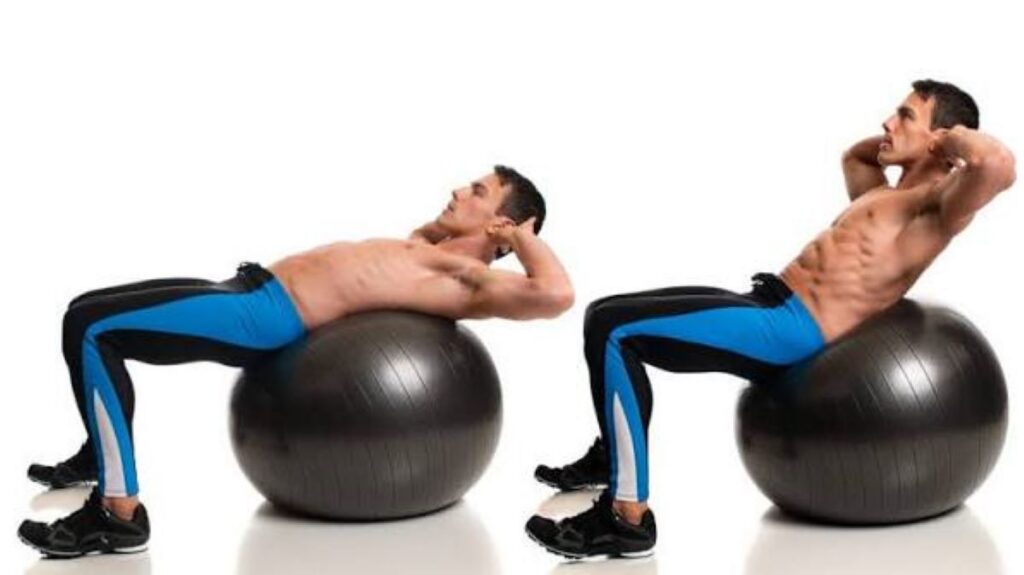
How does a Pilates ball change core activation in dead bugs and marching?
A Pilates ball can raise the difficulty of dead bugs by demanding steadier pelvic control as the limbs move. When the ball is between the hands and knees, it encourages active “pressing” without over-bracing.
This setup often improves symmetry. If one side is weaker, the ball reveals it quickly because the pressure changes. Many people find a Pilates ball makes dead bugs feel more “core” and less “hip flexor.”
How does a Pilates ball change core activation in glute bridges?
A Pilates ball can shift glute bridges from a straight strength drill into a control drill. When the heels rest on the ball, the hamstrings and deep core work together to keep the ball from rolling.
If the ball is under the sacrum, it can also challenge pelvic stability at the top of the bridge. In both options, a Pilates ball can expose wobble and encourage slower, more precise reps.
How does a Pilates ball change core activation in planks and push-up holds?
A Pilates ball can increase core activation in planks by reducing the stability of the base of support. When forearms or shins are on the ball, the trunk must resist rotation and extension more continuously.
The key is keeping ribs stacked over pelvis. If they let the lower back sag, the ball can make the compensation worse. Many Australian instructors regress to a smaller range or a wall option before loading the full plank.
How can they tell if they are using the right muscles with a Pilates ball?
They are likely using the right muscles if they feel steady effort deep in the trunk, can breathe, and can keep the neck and jaw relaxed. Shaking is not always bad, but sharp gripping in the hip flexors or lower back is a red flag.
A Pilates ball should make alignment clearer. If the movement feels chaotic, they can reduce range, slow the tempo, or reposition the ball to regain control.
What are the most common mistakes when using a Pilates ball for core work?
The most common mistakes are choosing the wrong ball size, moving too fast, and treating instability like a “balance trick” instead of a control task. Many people also over-squeeze the ball and lose breath.
Another common issue is collapsing through the ribs, which reduces core activation and loads the lumbar spine. A Pilates ball is useful, but it does not replace good stacking, pacing, and breathing.
Who should be cautious with a Pilates ball in simple exercises?
People with acute low back pain, recent abdominal surgery, or significant balance limitations should be cautious and seek guidance. In Australian clinical Pilates settings, practitioners often start with stable supports before adding a Pilates ball.
Pregnant and postnatal clients may still use a Pilates ball, but exercise choice and pressure management need extra care. The ball is not the problem, but the setup and intensity can be.
What are three simple Pilates ball exercises they can try at home in Australia?
These options keep the movements simple while using the ball to increase feedback and core activation. A Pilates ball and a mat are enough for most homes or apartments.
1) Ball press dead bug (isometric)
They lie on their back, hips and knees at 90 degrees, ball between hands and knees. They press gently into the ball, exhale, and hold 10 to 20 seconds without flattening the breath.
2) Bridge with ball between knees
They place the ball between the knees, feet on the floor, and lift into a bridge. They squeeze lightly, exhale on the lift, and keep ribs down. Slow reps, 6 to 10.
3) Forearm plank with shins on ball (regress as needed)
They start with forearms on the mat, shins on the ball. They hold a short set, 10 to 20 seconds, focusing on ribs over pelvis. If too hard, they switch to knees on mat.
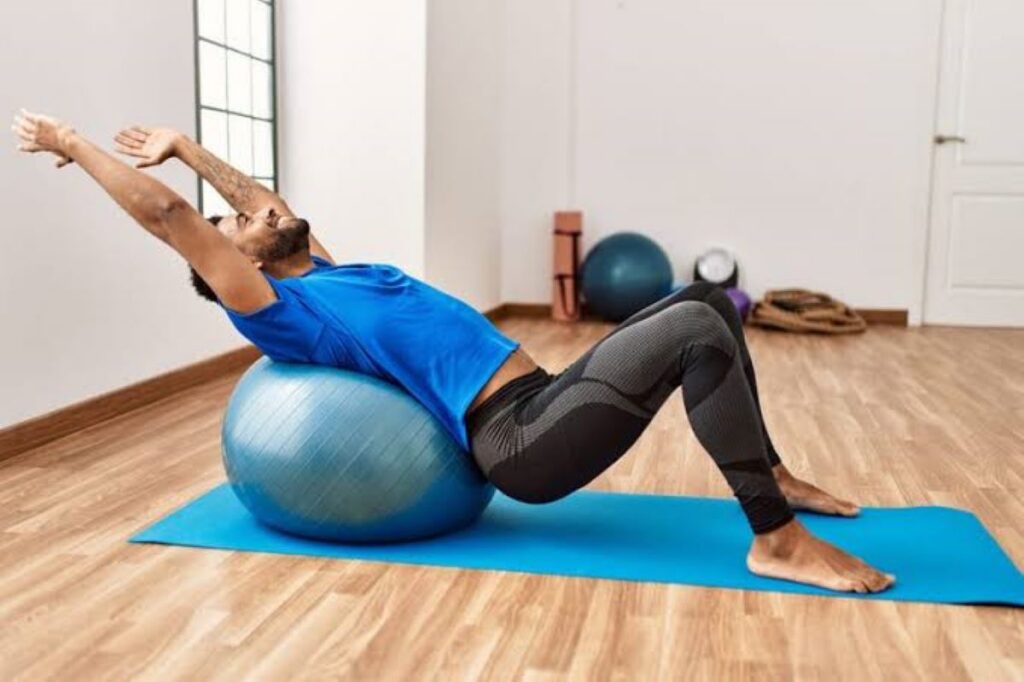
How can they progress safely while keeping the benefits of a Pilates ball?
They can progress by increasing time under tension, slowing tempo, and improving alignment before adding bigger ranges or longer sets. With a Pilates ball, control is the progression, not just difficulty.
A useful rule is “stable first, then unstable.” If they can maintain breath and posture for all reps, they can add small changes like longer levers, lighter contact, or asymmetrical loading.
What is the takeaway on how a Pilates ball changes core activation?
A Pilates ball changes core activation by making the body organise itself against small, constant instability. Done well, it increases awareness, improves coordination, and makes simple exercises genuinely challenging without needing heavy loads.
For Australians training at home or in a studio, a Pilates ball can be a practical tool, as long as they prioritise setup, breath, and steady control over big movements.
More to Read : What Size Small Pilates Ball Suits Beginners and Rehab Work?